Professional journey.
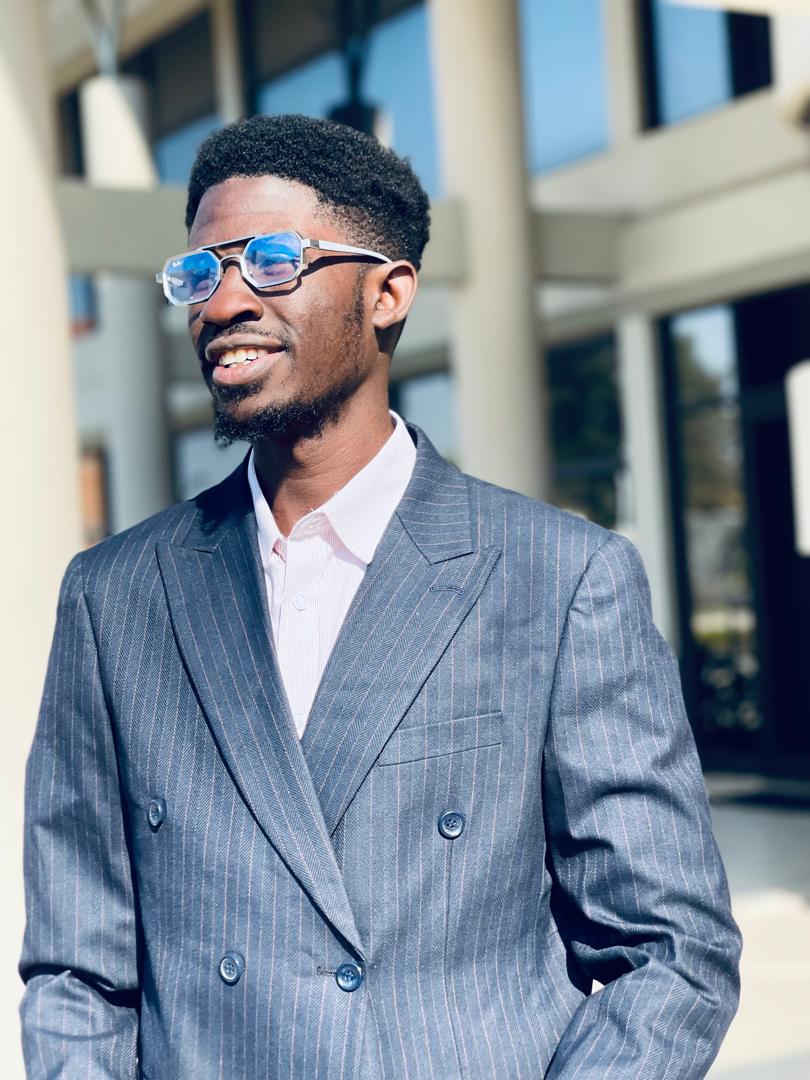
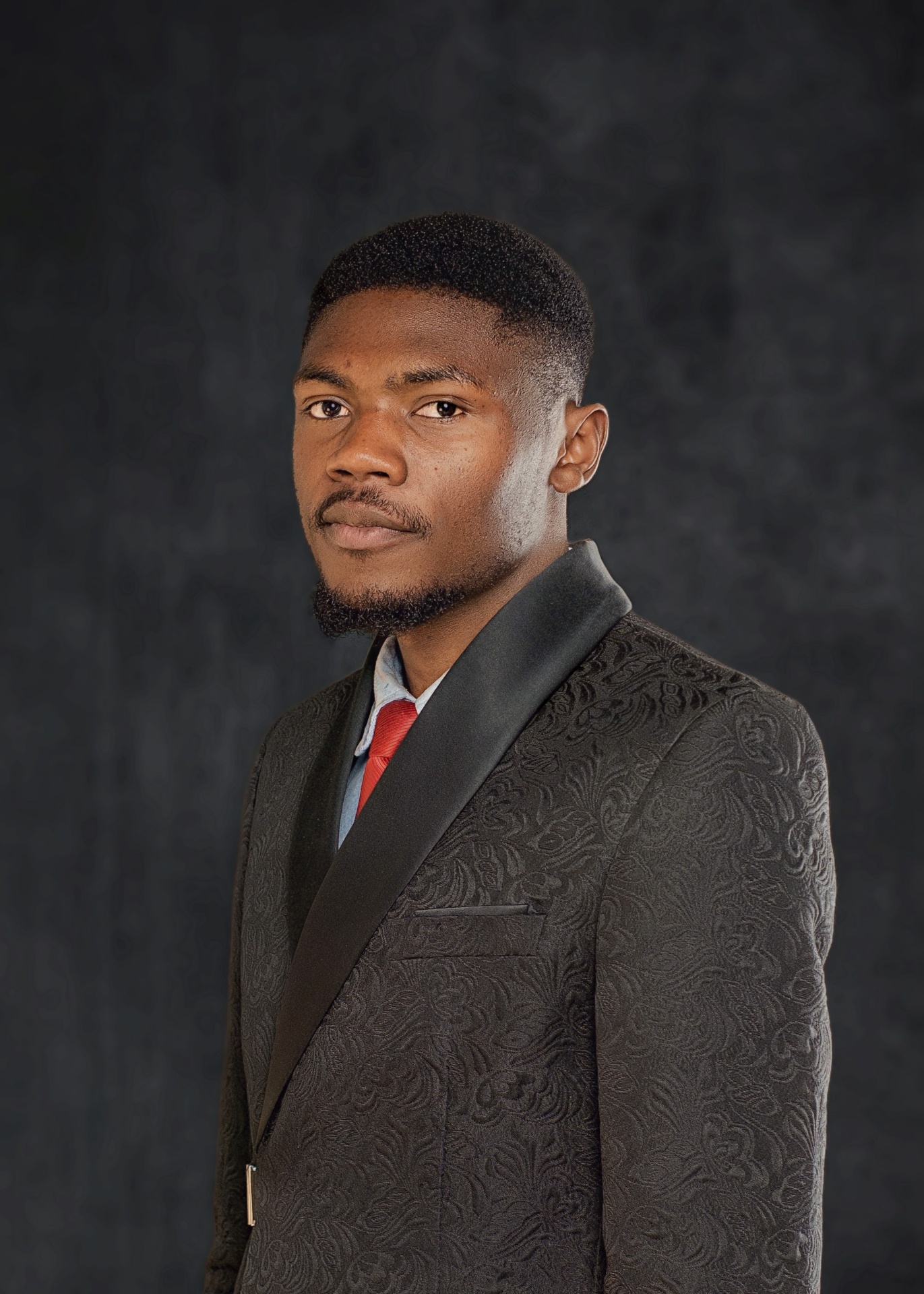
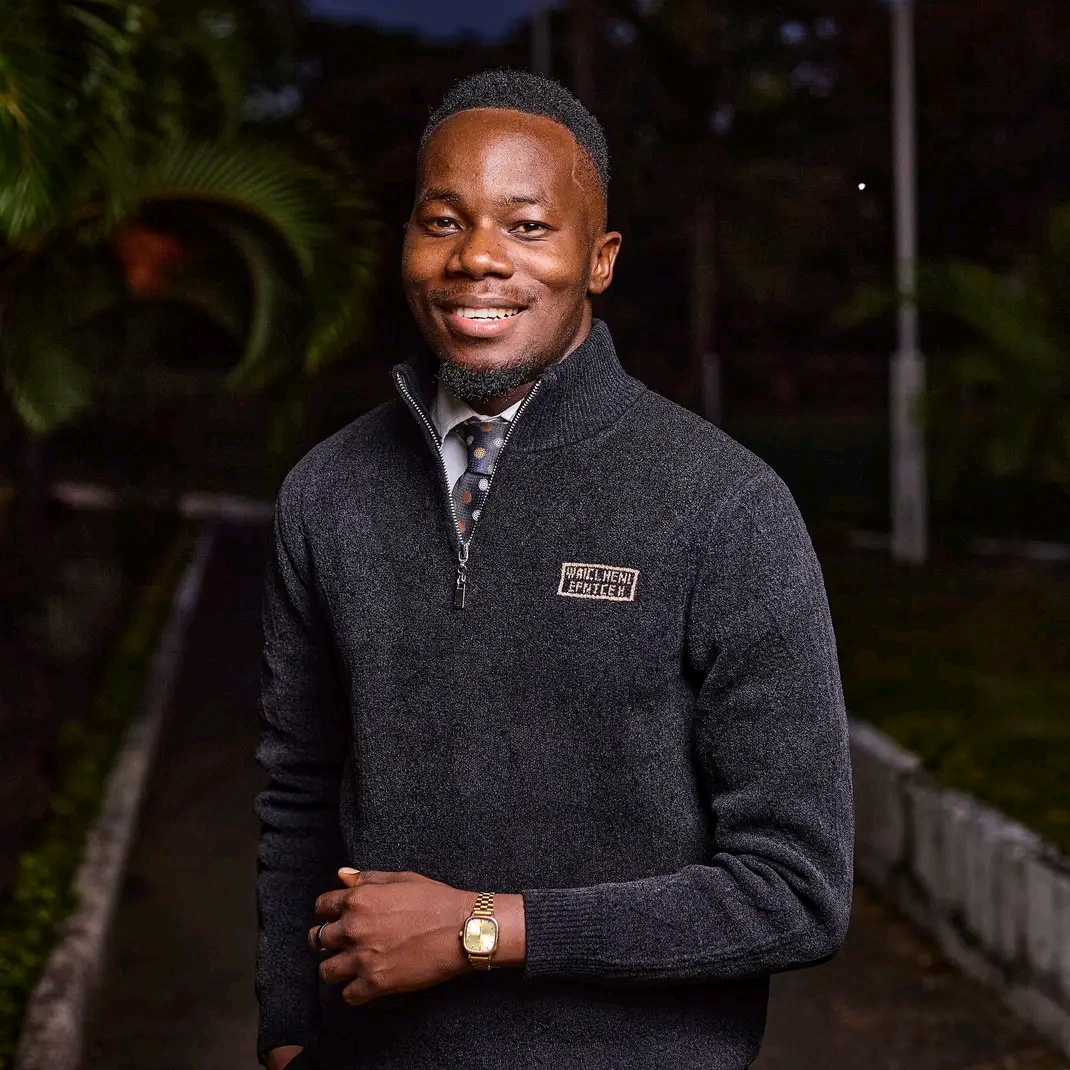
In a world where young people are constantly being told to become someone else, build a different image, follow the latest trend or measure themselves against the success of others, there is tremendous power in understanding who you are, what you carry, and what you are capable of becoming. That is at the heart of the work of Lesa Jr Lesa. Known by the distinctive personal tagline “I Remain Lesa Lesa,” he is a Zambian global speaker, communication and marketing expert, brand strategist and youth development specialist whose work centres on helping people understand the power of communication, leadership, identity, mindset and personal brand.
Through his speaking engagements, training programmes, school outreach, university engagements and professional work, he has consistently created spaces where young people are challenged to think differently about themselves, their potential and the contribution they can make to society. And at The Founders' Conference 2026, his voice comes at a particularly important time — because before a young person can build a company, lead an organisation, create a movement or influence an industry, they must first learn how to communicate, lead themselves, understand their identity and develop the mindset required to create value.
Today, almost everyone has a public presence. People are building profiles on social media, students are entering professional spaces earlier, entrepreneurs are competing for attention, businesses are fighting to differentiate themselves, and creators are building audiences. But in a world where visibility has become easier, meaningful identity has become harder. Being seen is not necessarily the same as being known. Having followers is not necessarily the same as having influence. Having a logo is not necessarily the same as having a brand. This is where Lesa Jr Lesa's work becomes particularly relevant — his focus on communication, branding, leadership and mindset transformation speaks directly to a generation learning that how you present yourself, communicate your value and consistently demonstrate who you are can significantly influence the opportunities that come your way.
The phrase “I Remain Lesa Lesa” carries a powerful idea. In a world that constantly pressures people to change themselves for acceptance, identity matters. For young people especially, the journey into adulthood comes with enormous pressure — pressure to fit in, to appear successful, to compare, to follow trends, to become what society expects. But sustainable leadership requires something deeper: knowing who you are, the ability to remain grounded while growing, to evolve without losing your values, to learn from others without becoming a copy of others, and to build a reputation based not simply on what you say, but on what you consistently demonstrate.
Lesa Jr Lesa has established himself as a speaker who engages audiences across different environments, including corporate events, universities and secondary schools. He speaks to students who are still discovering themselves, to young people preparing to enter professional life, to aspiring entrepreneurs, and to organisations and corporate audiences. Through these different spaces, he brings conversations around leadership, communication, mindset and personal development — because the skills required to succeed in a boardroom are not completely disconnected from the skills required to succeed in a classroom, an interview, an entrepreneurial pitch or a community leadership role.
His work does not stop at speaking to young people. He also creates opportunities for young people to develop their own voices. Through initiatives such as the Junior Speaker Camp, he works to develop the next generation of public speakers, leaders and entrepreneurs. Communication is one of the most underestimated forms of capital a young person can possess — a brilliant idea that cannot be communicated may never receive support, a talented entrepreneur who cannot explain their business may struggle to attract customers or investors, and a leader who cannot inspire people may struggle to build a team. The ability to speak is therefore not simply about standing on a stage; it is about being able to translate thought into influence.
One of the greatest challenges young people face is that opportunity often arrives before they feel ready for it — a scholarship interview, a job interview, a leadership position, a business pitch, a public presentation, a networking opportunity. At that moment, technical knowledge alone may not be enough. You must be able to communicate, to introduce yourself, to explain what you know, to articulate your vision, to make people understand your value, and to be confident enough to occupy the room. This is why public speaking and communication development are not merely extracurricular activities — for the next generation of founders and enterprise leaders, they are career and leadership skills.
A particularly important dimension of his work is his engagement with secondary schools. His school outreach brings conversations around public speaking, identity and personal development directly to young people at an important stage of their lives — when they are choosing subjects, thinking about careers, discovering their talents, building confidence and facing expectations from family and society. Exposure to positive voices during this stage can make a difference: a student who discovers public speaking may discover confidence, a student who learns to articulate their ideas may become more willing to participate, and a student who begins to understand personal identity may become less vulnerable to unhealthy pressure.
His engagement with universities is equally important. University students are no longer simply preparing for life — they are beginning to enter it. They are building networks, developing professional identities, looking for internships, starting businesses, joining organisations, taking leadership positions, and preparing to compete in an increasingly demanding labour market. At this stage, the question is no longer only “What are you studying?” but increasingly “Who are you becoming?” — what can you communicate, what problems can you solve, what value can you create, what do people know you for, can you lead, can you collaborate, can you present yourself professionally? These are precisely the kinds of questions that make conversations around personal branding, communication and mindset so important for university students.
For aspiring founders, his work offers another important lesson. A business can have an excellent product and still struggle because people do not understand it. A founder can have a powerful vision and still struggle because they cannot communicate it. A startup can have potential and still fail to gain traction because it has not built trust. This is why brand strategy and communication are not decorative aspects of entrepreneurship — they are part of the business. A brand communicates what you represent, marketing communicates why people should pay attention, communication helps people understand your value, and leadership determines whether the promises attached to your brand are actually lived out.
There is another dimension that runs through his work: mindset transformation. Strategies, skills, education, networks and resources are all important — but the way a person thinks can determine how they respond to all of these things. Two people can encounter the same challenge and respond completely differently: one sees a dead end, another sees a problem to solve; one sees rejection, another sees feedback; one sees limited resources, another asks what can be built with what is available; one waits for permission, another begins. Entrepreneurship requires this kind of mental flexibility, leadership requires it, personal growth requires it, and youth development requires helping young people understand that their circumstances do not have to become the permanent boundaries of their ambition.
One of the greatest barriers between potential and opportunity is often not ability — it is communication. There are talented young people who struggle to tell their stories, entrepreneurs who cannot explain their businesses, students who cannot articulate their achievements, professionals who struggle to present themselves, and leaders who cannot communicate their vision. Closing this gap can unlock enormous potential, because communication is what allows knowledge to travel from one mind to another, allows ideas to attract people, allows leaders to mobilise teams, allows businesses to attract customers, and allows young people to advocate for themselves. Communication is not simply a soft skill — it is an engine of opportunity.
Personal branding is also much deeper than social media. Every interaction contributes to reputation — how you treat people, how you honour commitments, how you respond to pressure, how you speak, how you work, how you solve problems, how you show up, and how consistently you deliver. Your personal brand is therefore not simply the image you create; it is the pattern of value and behaviour people associate with you. You cannot build a powerful public image while consistently delivering poor experiences behind the scenes. Eventually, the brand becomes reality. The strongest brands are built when identity, communication and action align.
At THE FOUNDERS' CONFERENCE 2026, Lesa Jr Lesa will challenge delegates to think beyond visibility and toward value — because every founder is, in many ways, also building a personal brand, every entrepreneur is communicating, every leader is communicating, every organisation has a story, and every young person is building a reputation, whether intentionally or unintentionally. Your name is already a brand. The question is: what does it stand for? What do people associate with you? What value do you bring? What will people remember after you leave the room? Those questions are bigger than social media — they are questions of identity, purpose, leadership and legacy.